

“Oversharing? Not vulnerability; I call it floodlighting.”
--Brenè Brown
Vulnerability is an effective pathway to connection and healing. From sharing personal stories to revealing our emotions, the act of opening up can foster understanding and intimacy. However, vulnerability, like any tool, should be wielded carefully. When taken too far, it can lead to unintended harm—for ourselves and others. As I learned recently from the Untold podcast The Retreat, hosted on Acast and produced by the Financial Times, the experiences of some participants in Goenka 10-day meditation retreats highlight how unchecked vulnerability can cross into dangerous territory.
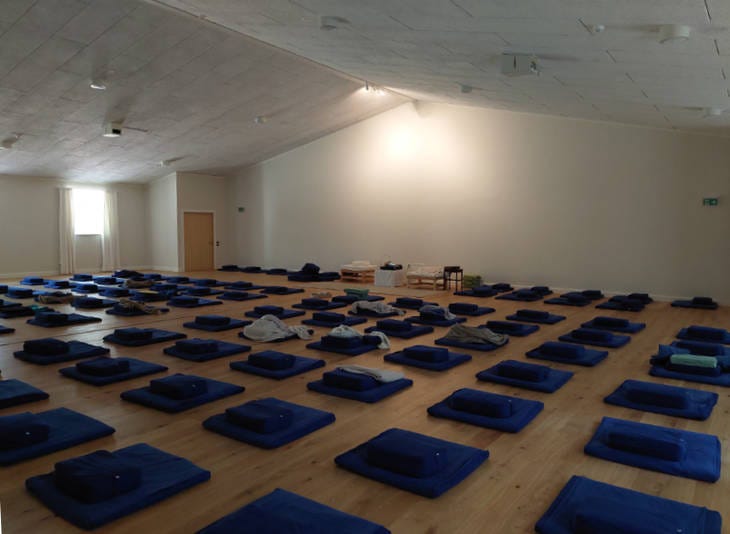
Goenka retreats, rooted in Vipassana meditation, invite participants into a deeply introspective journey. Over the course of ten days, attendees remain silent, meditate for hours on end, and confront their innermost thoughts. For some, this experience is transformative. Yet for others, the intensity of this radical self-exposure triggers mental health challenges such as sleeplessness, debilitating anxiety, or even suicidal ideations. The structure of the retreat, which leaves participants to face these challenges largely alone, underscores how unchecked vulnerability—whether self-imposed or external—can overwhelm rather than heal.
The dangers of oversharing extend beyond retreats. In our incessantly connected world, social media often encourages emotional exhibitionism, where we feel compelled to bare our souls to strangers and virtual “friends.” While sharing struggles can foster solidarity, oversharing—revealing deeply personal aspects of ourselves to an unvetted audience—can invite judgment, exploitation, or even shame. Vulnerability without boundaries risks leaving us exposed in ways that hinder rather than help our growth.
The lesson here isn’t to avoid vulnerability but to practice it wisely. True vulnerability isn’t about broadcasting every thought or emotion; it’s about determining when, where, and with whom to share. Just as Goenka retreats require careful preparation and support to benefit participants, so too does our personal openness require intentionality and safeguards. Trusted relationships, professional guidance, and safe spaces are crucial for processing our deepest struggles.
Vulnerability can indeed be transformative, but only when approached with care. The Goenka retreat experience serves as a necessary example of the need to balance openness with self-protection. As I discuss at length in my book, by setting boundaries and seeking the right context for sharing, we can ensure that our vulnerability strengthens rather than shatters us.
You bring up a very important point. Vulnerability unchecked and by itself can be dangerous. It should be coupled with boundaries, or practiced in safe surroundings. I know that in the AA rooms, some people reveal deeply personal things to a group that should have been left to a one-on-one conversation with a sponsor. You can't just share your worst-ever thoughts and deeds to a group of strangers in 2 minutes, for instance, and then... on to the next person's "share" and you're left dangling in the wind.