

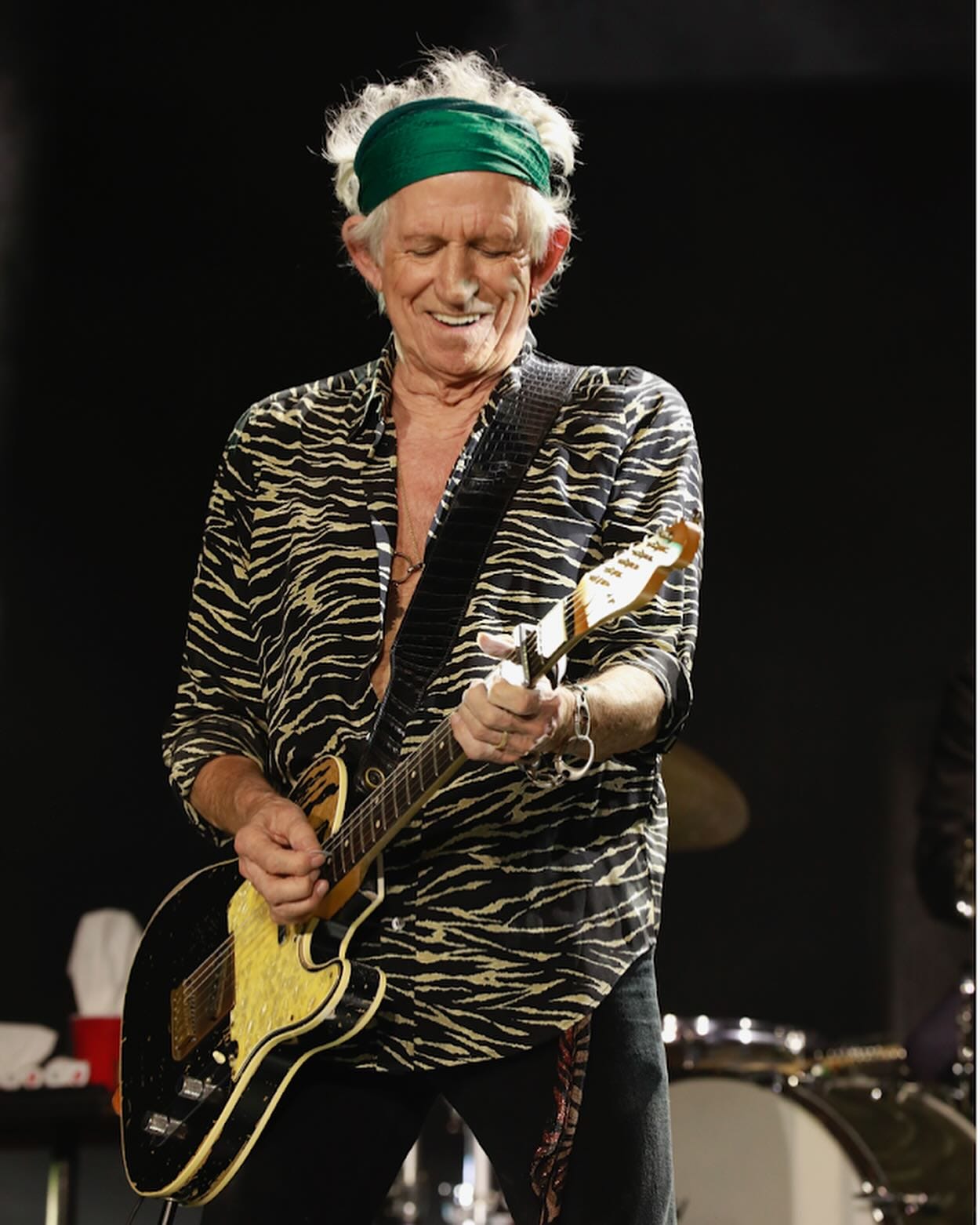
“Getting older is a fascinating thing. The older you get, the older you want to get.”
--Keith Richards
Aging is a journey that touches every aspect of life—our bodies, minds, and even our sense of purpose. I have acknowledged the fact that my first few steps out of bed in the morning are not going to be as smooth as they used to be, and that working through injuries or aches and pains is simply going to take longer. But while many may see aging as a process of inevitable decline, it can also be a period of profound growth, beauty, and fulfillment. The key to unlocking this potential is vulnerability. By embracing the natural limitations that come with age, and by being open to change, we set ourselves up for a life that remains rich in joy and meaning. Being vulnerable allows us to navigate the challenges of aging with grace and dignity.
As we grow older, the physical and mental shifts we experience can feel like losses. Perhaps we can no longer move as fast, or our memory isn't as sharp. Why is it that car keys are seemingly always hiding from us? Admitting these changes requires vulnerability—a willingness to acknowledge that we’re not the same as we once were. But in that acceptance, there’s freedom. When we stop resisting and denying the realities of aging, we allow ourselves to adapt. Vulnerability opens the door to new possibilities, like exploring less intense forms of exercise, or rediscovering activities that nourish the mind and spirit. It’s through this process of adaptation that life remains vibrant and full of promise.
More than just adapting, vulnerability helps us build deeper connections with others. By being honest about our limitations and the emotions that come with aging, we invite empathy and understanding from those around us. It fosters a sense of community, where we realize that we are not alone in this journey. Others, too, are facing their own challenges, and together we can support one another. Sharing our experiences, asking for help, and being open about our struggles allow us to maintain meaningful relationships that enrich our lives well into older age.
For the last two months I have been getting a home that we own in Denver ready to sell, and it’s involved a lot more effort, time, and money than I anticipated. The stress associated with this project has been significant for me, and I had to ask my son, who has been living in the house and has decided to get his own place, for some help in dealing with it. I needed more support from him, told him so, and he responded. I just don’t feel as resilient as I used to, and with age has come a greater tendency to worry. This is a familiar Milano family gene—my paternal grandmother was a constant worrier, up until her death at the age of 92! My dad was similarly disposed.
However, vulnerability isn’t just about acknowledging limitations; it’s also about shifting our perspective. Life can still be wonderful at any age, but our outlook plays a significant role in how we experience it. By choosing to focus on the things we can still enjoy, the relationships that continue to bring us joy, and the wisdom that only time can bring, we see aging in a more positive light. Vulnerability allows us to let go of rigid expectations and embrace the beauty of the present moment. It’s an act of courage that leads to a more fulfilling life, even as we grow older.
“It’s not how old you are. It’s how you are old.”
--Jules Renard
Aging gracefully is not about denying the inevitable changes occurring with us but about embracing them with vulnerability. When we allow ourselves to be open to the shifts and limitations of age, we give ourselves the opportunity to find new joys, new connections, and new perspectives.
Life is as wonderful as we allow it to be, and vulnerability is the key to unlocking that wonder, no matter how old we are. It’s not just about accepting our years—it’s about celebrating the life we continue to live.
For insights about other ways that vulnerability can enhance your life and relationships, I recommend my book Large and In Charge No More—A Journey to Vulnerable Leadership.