

“The strength of the group is the strength of the leaders who are willing to serve.”
— Vince Lombardi
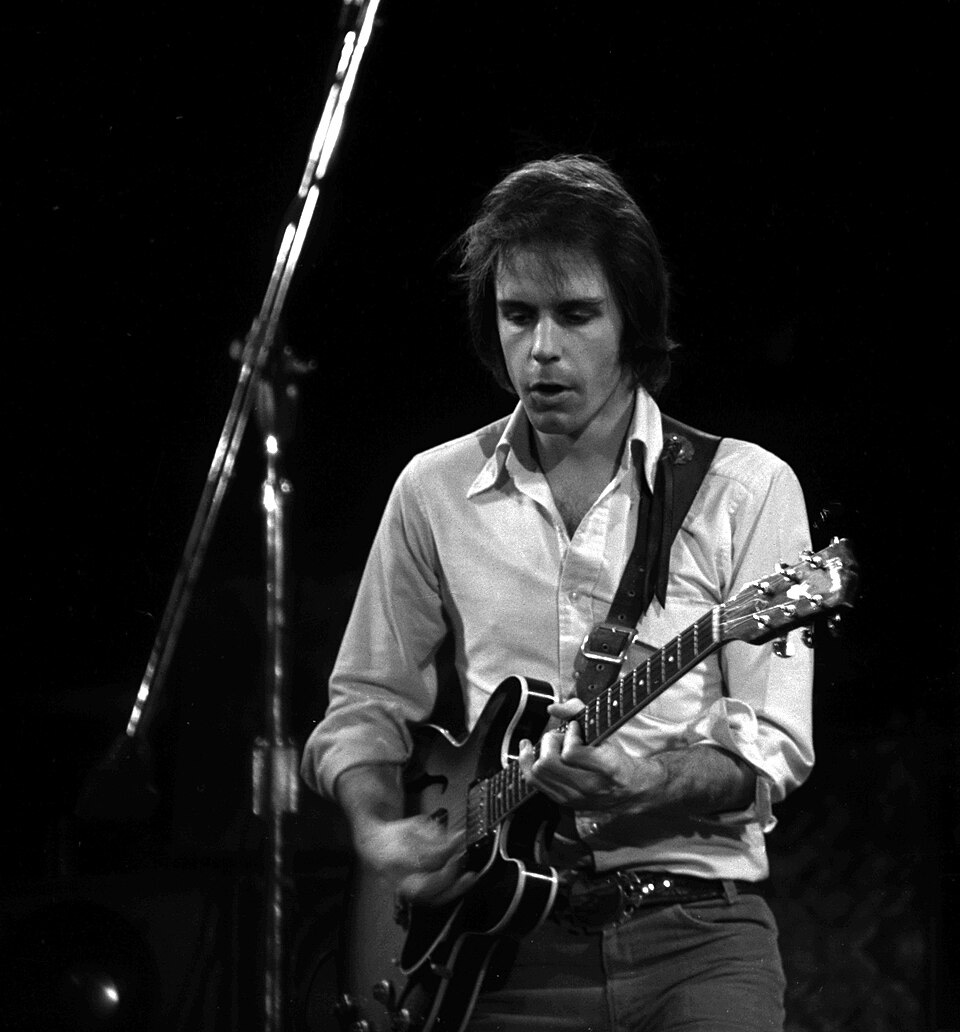
Playing second fiddle is not a phrase our culture celebrates. We prize the soloist, the headliner, the person out front soaking up the light. And yet, some of the most enduring excellence—whether in music, organizations, or relationships—comes from people willing to support, complement, and elevate others. That willingness to do so requires vulnerability: the courage to contribute fully without needing to be highlighted or recognized all the time. I was reminded of this truth with the recent passing of Bob Weir, a musician whose life and work embodied the quiet strength of playing as part of a greater good, contributing in a way that made the whole greater than the sum of its individual parts.
Like many Deadheads of my generation, I’ve been listening to the Grateful Dead and its members’ offshoots and collaborations since the mid-1970s, and I was fortunate to see them live dozens of times. While performing, Weir often stood centerstage among the band—confident, animated, and unmistakably present. But musically, on his guitar, he embraced a different posture. Along with the rest of the band, he built a textured, rhythmic foundation that allowed Jerry Garcia, the Dead’s incomparable lead guitarist and co-lead singer, to explore, wander, and soar. Garcia became the face of the Grateful Dead—reluctantly, by all accounts—but the magic happened because others were willing to make space for him to lead.
That doesn’t mean Weir diminished himself—far from it. He sang lead vocal on many beloved songs, most famously “Truckin’,” and when the moment called for it, he stepped forward with authority and flair. The key is that he didn’t need to. Famously awkward when receiving a compliment on his playing or singing, his value to the band wasn’t tied to constant prominence; it was rooted in contribution. That posture—knowing when to lead and when to support—is an admirably vulnerable choice. It requires confidence without an oversized ego, commitment without control, and trust in the role you’re playing for the benefit of the band.
This is where the lesson extends beyond music. In teams, families, and organizations, progress depends on people willing to play second fiddle at times—to subordinate personal visibility to collective success. That choice can feel risky. Will my contribution be seen? Will I be overlooked? Vulnerability shows up precisely there, in the decision to stay engaged, to keep playing your part beautifully, even when someone else carries the melody. Over time, those choices create harmony that no single virtuoso could achieve alone.
So this is, in my own small way, a tribute to Bob Weir. Not because he stood in anyone’s shadow, but because he understood the power of standing with others. He modeled a kind of leadership—and musicianship—that valued balance over bravado and collaboration over conquest. In a world obsessed with first chairs and center stage, Weir reminded us that sometimes the most meaningful impact comes from playing second fiddle—fully, faithfully, and with heart. Thanks, Bobby.