

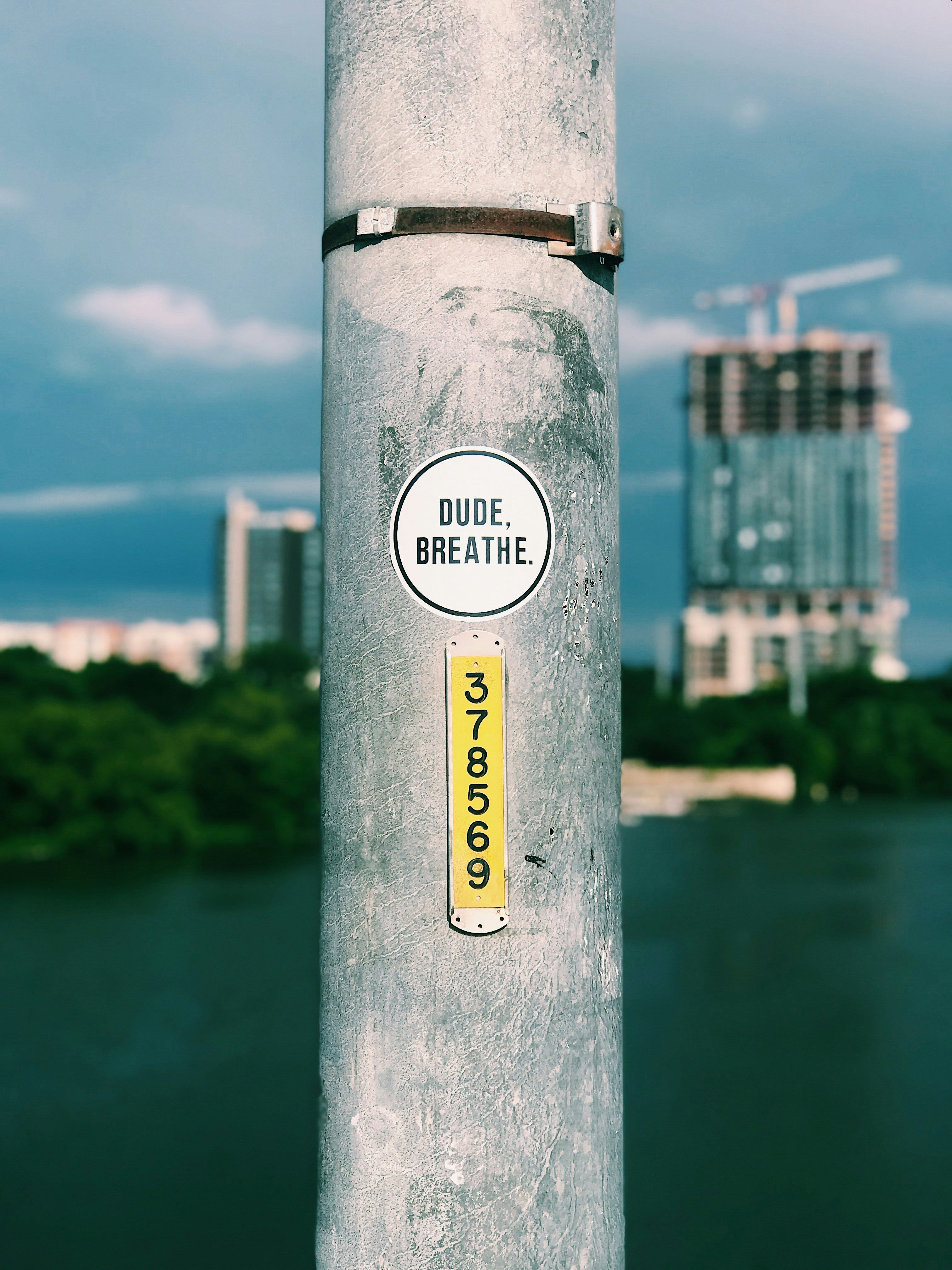
“Patience is the ability to idle your motor when you feel like stripping your gears.”
--Barbara Johnson
Patience is considered a virtue, a sign of strength and self-control. Beneath the surface, though, patience is deeply intertwined with vulnerability. To be patient, a person must first acknowledge and accept the uncertainty and lack of control inherent in many situations. This acknowledgment is a form of vulnerability, as it requires us to confront our limitations and the reality that many things are not within our power to influence.
Case in point—while at the local grocery store here in Denver the other morning, waiting in the only open checkout line to pay for a propane tank exchange, there was a line, with a few people ahead of me with full carts of groceries. I had no groceries to buy but to exchange a tank you have to go through a checkout line, one with an actual person. The cashier, aware of the line, was working his tail off. But the individual in front of me saw fit to flag down the manager of the store and grill him for having to wait, questioning why another checkout line or two was not open. The manager calmly explained that he was short-handed that morning and was doing what he could to process people through the checkout as quickly as possible. He was even helping to bag groceries. Well, the person ahead of me continued to fume, clearly out of sorts at having to wait in a line.
My total time in line ended up being about ten minutes, so his was maybe 11 or 12 minutes. That’s all. I recognized that the situation was out of my control and yeah, I would have liked to have gotten to checkout sooner, but in the end it amounted to, again, 10 minutes of my time. And to be clear, I am not the most patient person in the world—far from it—but I have come to recognize certain situations as out of my control and have gotten much better at dealing with them (my wife claims I still have plenty of room for improvement, but she does acknowledge my progress!). My biggest area of improvement has been in traffic congestion, once a spark that could easily ignite my impatience tendency.
“Patience is not simply the ability to wait—it’s how we behave while waiting.”
--Joyce Meyer
Vulnerability, frequently misunderstood as a weakness, is, in fact, a critical aspect of emotional resilience. When we allow ourselves to be vulnerable, we open ourselves up to experiences, emotions, and outcomes that we cannot predict or control. This openness is a prerequisite for exercising patience. When we resist being vulnerable, we often become anxious or impatient, driven by a need to control or force outcomes. In contrast, when we embrace vulnerability, we can wait with grace, accepting that some things are beyond our immediate influence.
The relationship between patience and vulnerability is particularly evident in challenging situations where the outcome is uncertain. Whether it's waiting for the results of a medical test, navigating a difficult conversation, or enduring a prolonged period of personal or professional hardship, these moments demand patience. Yet, to be truly patient, we must first allow ourselves to feel vulnerable—to accept that we do not have all the answers and that we may never have full control over the situation.
Patience in the face of vulnerability also fosters personal growth. When we let go of the illusion of control and embrace the discomfort of the unknown, we build emotional strength and resilience. This process of growth often leads to greater self-awareness and empathy, as we learn to navigate uncertainty with a calm and open heart. In this way, vulnerability is not just a condition to be endured, but a catalyst for deep and meaningful development. Back to my vignette about the grocery store checkout line, it was clear that the cashier was aware of the people in line waiting and was doing all he could to get people through it. He appeared stressed. I felt for him, as there were surely a few sets of narrowed eyes laser focused on him doing his job. When it was my turn to pay for my propane exchange, I thanked him for his hustle, and he appreciated that.
The connection between patience and vulnerability is profound. Patience requires us to be comfortable with uncertainty, to accept that we cannot control every aspect of our lives, even something as trivial as waiting in a checkout line. This acceptance is an act of vulnerability, one that ultimately strengthens our ability to wait, endure, and grow. By recognizing and embracing this connection, we can cultivate greater patience in our lives, leading to a deeper understanding of ourselves and the world around us.
So next time you’re in a situation that is irritating, unexpected, and out of your control, think it through. What exactly is it that you can do to alleviate the problem? How is your anger going to fix things? How is going off on someone going to help? Put the delay into perspective—is an unanticipated 10-minute delay to your day really the train wreck you are working yourself into a fit about? Likely not. And your heart will likely thank you.