

“The worst form of inequality is to try to make unequal things equal.”
– Aristotle
In our society, there’s a long-standing double standard when it comes to vulnerability. A recent New York Times opinion piece by Alison Fragale and Adam Grant titled “Kamala Harris Is Doing Something Brilliant Up There On The Tightrope,” highlights the issue of our perceptions of men and women’s pursuit of power and the unequal treatment similar behaviors in each gender generate, especially vulnerability. Fragale and Grant discuss how Kamala Harris in her presidential bid has figured out how to effectively navigate the double standard, which may benefit other women who attempt to do so.
Men who express their emotions or admit to personal struggles are often hailed as brave or relatable, applauded for stepping outside of traditional masculine norms. Women, on the other hand, are frequently judged more harshly for the same behaviors. When women exhibit vulnerability, they risk being perceived as weak, emotional, or unfit for leadership, reinforcing outdated stereotypes that equate strength with stoicism and emotional detachment.
This double standard is particularly evident in professional settings. Take, for example, a male leader who openly shares his challenges; he is often admired for his transparency and willingness to connect with his team on a personal level. But when women in similar positions express vulnerability, they are more likely to face skepticism about their ability to handle pressure. The assumption persists that women are more prone to emotional responses, which can be construed as a liability rather than a leadership strength.
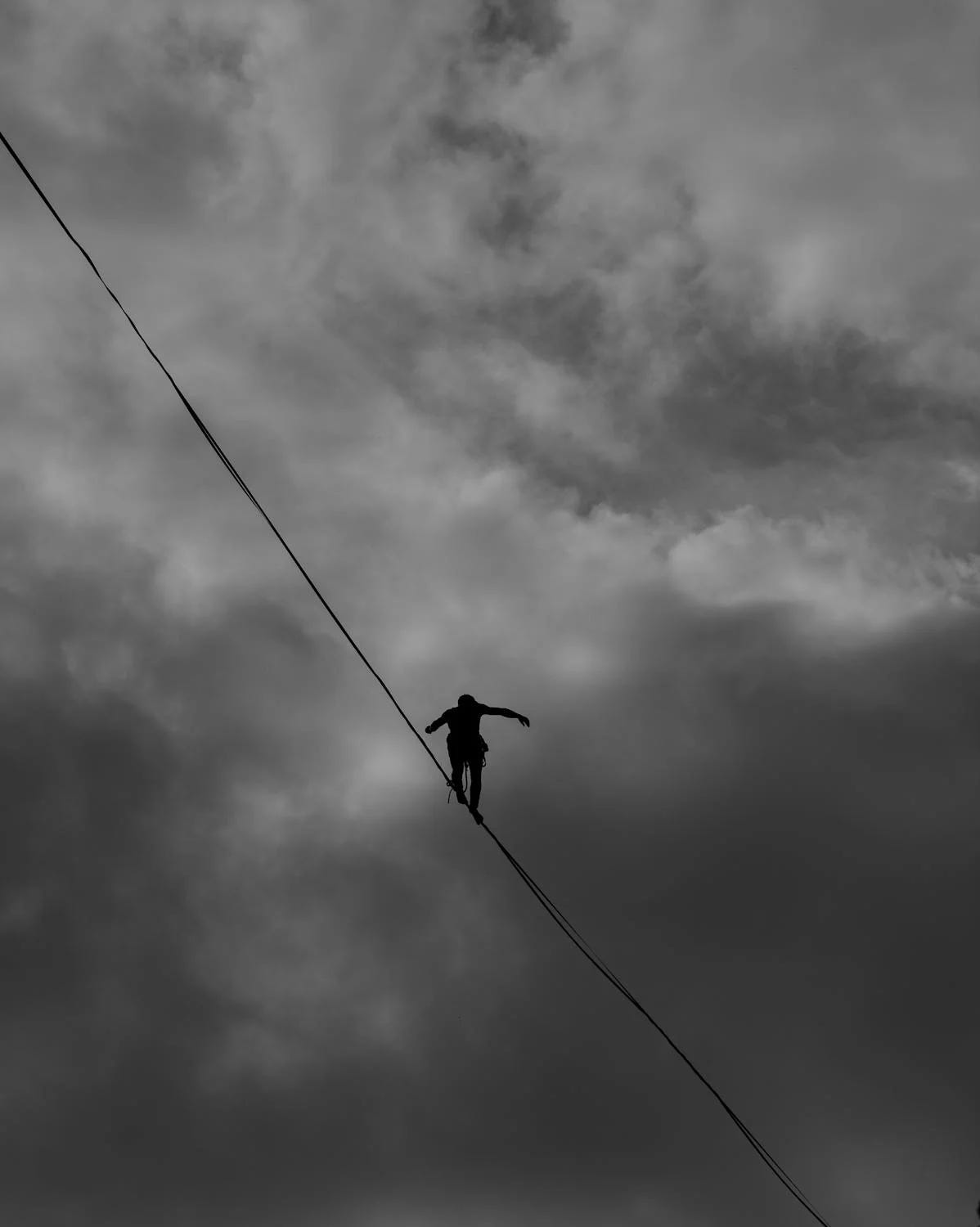
The imbalance is not just anecdotal—it’s reinforced by societal norms. Men are often encouraged to show vulnerability as a way of proving they are in touch with their emotions, which enhances their public image. Women, on the other hand, are expected to navigate an impossible tightrope: be strong, but not too strong; open up, but not too much. When women reveal personal hardships, it is sometimes seen as a sign they cannot “handle it,” whereas men are allowed more space to embrace humanity without consequence.
This disparity in perception also plays into how we view competence and trustworthiness. Vulnerability in men can actually increase trust, signaling authenticity and humility. However, for women, vulnerability is more likely to cast doubt on their capability. Studies show that women who display emotional openness are often judged more critically in terms of their professional abilities, while men who do the same are seen as well-rounded leaders with emotional intelligence.
It’s clear that the path forward requires dismantling these harmful double standards. As Fragale and Grant write, “We want to live in a world where women don’t have to balance so precariously on a tightrope to leadership.” So true. Society must shift its perspective on vulnerability from being a gendered attribute to a universal strength. As more women leaders share their stories and challenge these biased perceptions, they pave the way for a more equitable understanding of what true leadership looks like, regardless of gender.
For more on vulnerable leadership, please check out my book Large and In Charge No More—A Journey to Vulnerable Leadership.
Interesting and so true.
Every word of this essay is true. Women are often the best leaders yet are judged harshly under nearly impossible standards.